Environment · 2026-10-18 · Morning briefing
Indonesian fire haze triggers highest alert across Southeast Asia
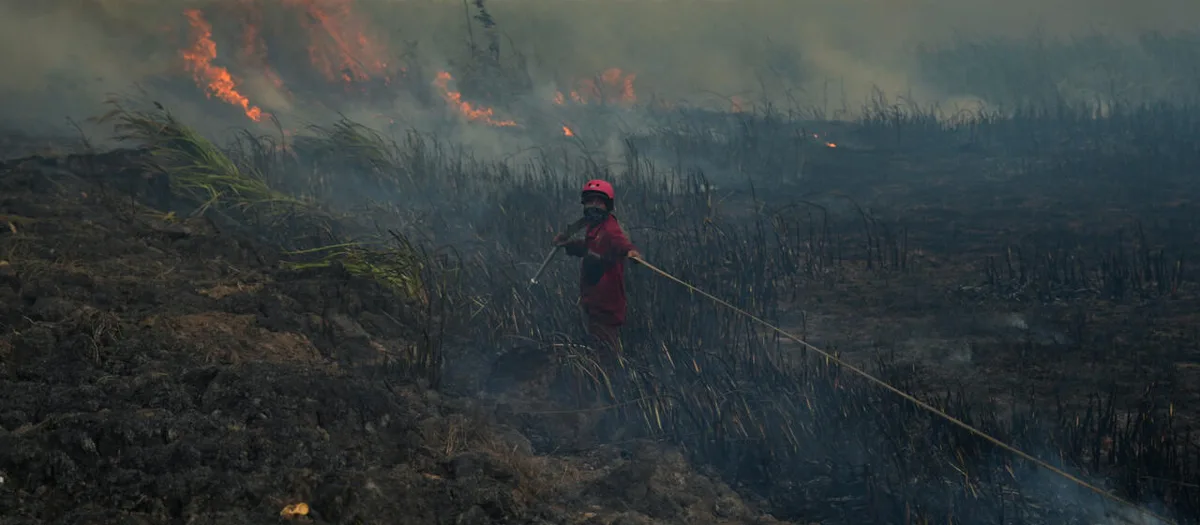
Months-long wildfires in Indonesia, worsened by a severe 'super-El Nino' effect, have blanketed parts of Southeast Asia in toxic haze, forcing school closures and fueling a surge in respiratory conditions in Indonesia, Malaysia, Singapore, and East Timor.
From January to August, the fires consumed over 637,000 hectares, an area nine times the size of Singapore, according to the environmental group Auriga; a separate deforestation monitor puts the figure even higher at nearly 900,000 hectares. The ASEAN Specialised Meteorological Centre has activated its highest "Alert Level 3" for the region. On Saturday, air quality monitor IQAir ranked Singapore as the world's second-most polluted major city, with Kuala Lumpur third.
In response, Indonesia has attempted to induce rain by dispersing 2.4 tonnes of dry ice over South Sumatra. The crisis is set to be discussed at the next ASEAN summit, and Singapore has said it will issue warnings to seven Indonesian companies it identified as responsible for the fires.
Summary written by Cup of News with AI from the sources below. Check the originals for the full story.
Read the sources
- Haze triggers highest-level alert in parts of Southeast Asia
- Indonesia fires trigger highest-level regional haze alert as pollution spreads across South-east Asia
- Indonesia Fires Trigger Highest ASEAN Haze Alert
- How haze from Indonesian fires impacts Southeast Asia
- Haze From Indonesia’s Wildfires Spreads Across Southeast Asia
Ten stories, twice a day. Calm, no notifications.
Get the appMore stories in this edition
- France sees 1,200 arrests as cost-of-living protests turn violent
- European diplomats attacked by Israeli settlers in West Bank
- US suspends Russia sanctions, drawing Ukrainian condemnation
- Fatalities confirmed after incident sparks fire at Canadian military base
- Guatemalan anti-corruption lawyer shot dead in capital
- Drug and chip makers among firms expanding in Hong Kong
- South Korea forecasts chip boom to last until 2027
- AI film startups with $2bn backing cluster in Culver City
- Stanford researcher designs novel viruses with AI