Science · 2026-10-18 · Afternoon briefing
Plants found to actively flee their decaying neighbours
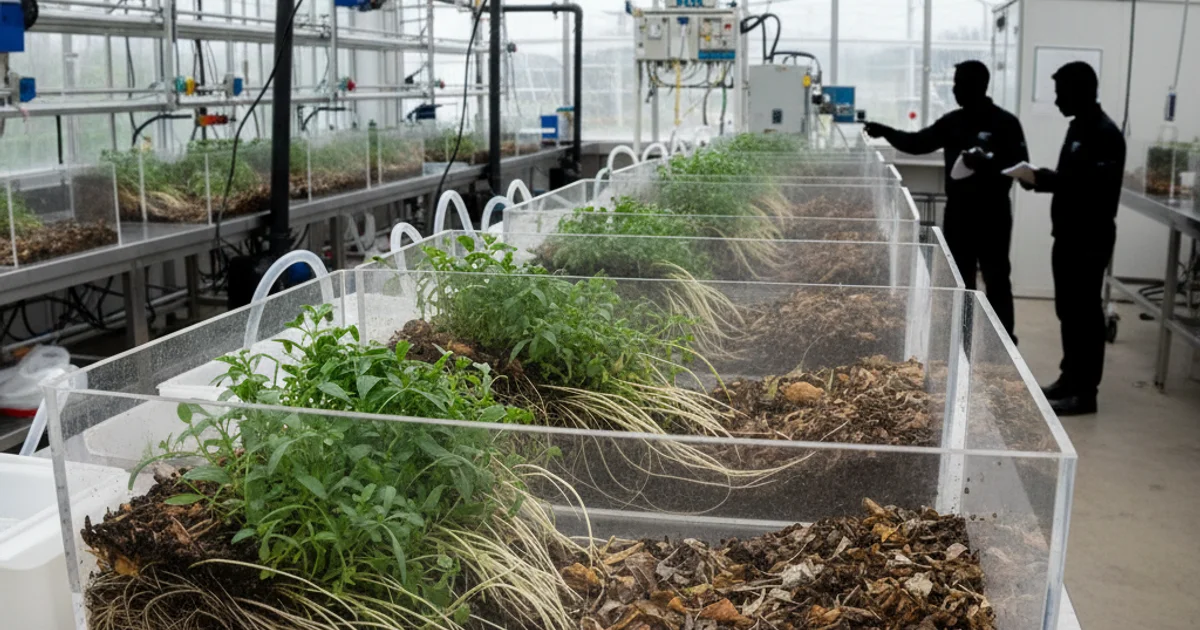
Researchers have identified a new plant behaviour they term “saprotropism”: the ability of roots to bend away from decaying plant tissue. The discovery was made by Yuzhou Zhang, a biologist at China's Northwest A&F University, after he observed roots on a contaminated lab plate consistently growing away from microbes during an unrelated experiment.
In controlled follow-up studies, the roots of Arabidopsis thaliana, a common research plant, steered clear of rotting apple patches. The same response was observed in tomatoes and wheat. However, the plants showed no reaction to decaying animal tissue, indicating a specific response to plant-based decay. The mechanism relies on the hormone abscisic acid, which builds up on the side of the root facing the rot, forcing growth in the opposite direction.
The team theorises this is a defensive strategy, allowing plants to avoid pathogens from their dead brethren, analogous to how animals are repelled by the smell of spoiled food. While the discovery is considered impressive in its scope, other scientists note that the precise chemical signalling pathway is not yet fully understood.
Summary written by Cup of News with AI from the sources below. Check the originals for the full story.
Read the sources
Ten stories, twice a day. Calm, no notifications.
Get the appMore stories in this edition
- Ukraine drones strike oil and tech targets in St. Petersburg
- France assesses damage after protests lead to 1,800 arrests
- Egypt postpones key vote on military support for Saudi Arabia
- Record hurricane season batters Mexico's Pacific coast
- Lithuania foils arson attack on Starlink site, suspects Russia
- Hong Kong reviews Peak lighting project after outcry over felled trees
- Noise-cancelling headphones found to reduce post-surgery nausea
- US drug crisis transformed by synthetic opioids
- Hospitals enter the multitrillion-dollar longevity market