World · 2026-10-26 · Afternoon briefing
Russia expands glide-bomb production, new report reveals
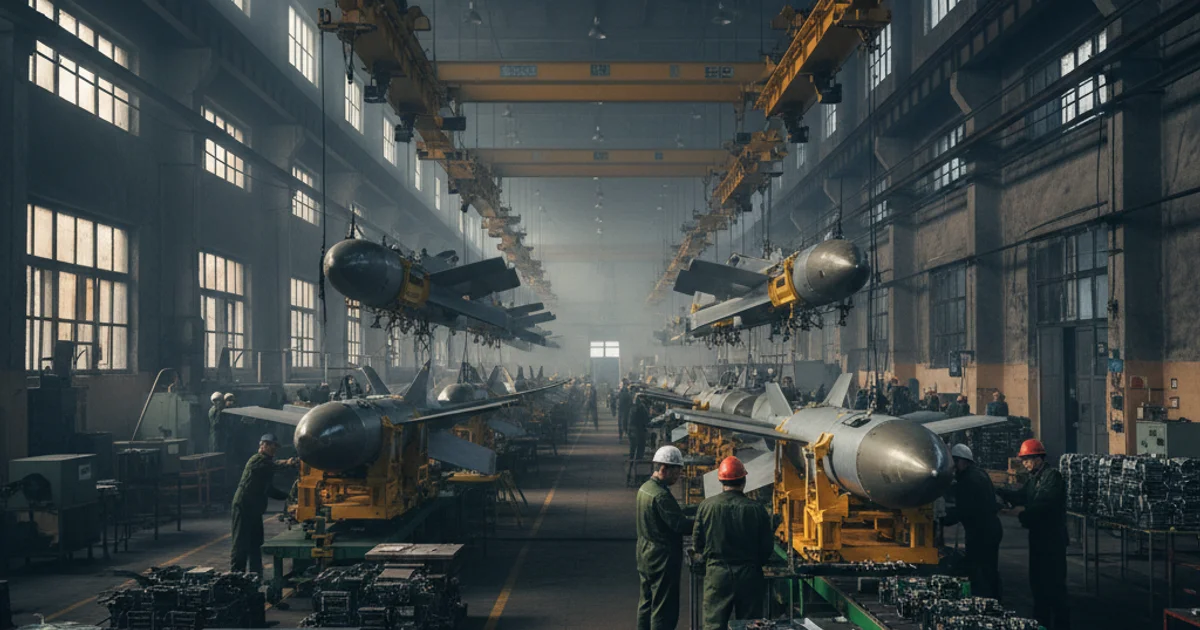
Russia is significantly expanding its production of glide-bombs, according to a new report from the Kyiv-based Center for Defense Reforms. A state procurement entity has already acquired 278,000 servo drives for 2025, enough components to manufacture 139,000 of the munitions, which are used to destroy defensive positions and facilitate ground advances.
The production surge is enabled by what the report calls "uneven sanctions coverage." Of 20 corporate entities identified in the manufacturing process, only eight face any Western restrictions. The report names CED Sail LLC, a key Russian supplier of servo drives, as a "priority target" for sanctions. It also identifies four critical Chinese companies in the supply chain, none of which are sanctioned by the EU or the UK.
The human cost of these weapons was demonstrated earlier this month when five glide-bombs struck the city of Zaporizhzhia, killing 20 people. Oleksandr Danylyuk, the think tank's chairman, stated that Russia is building the capacity to wage wars even after the conflict in Ukraine ends, calling them "not the actions of a country preparing for lasting peace."
Summary written by Cup of News with AI from the sources below. Check the originals for the full story.
Read the sources
- Exclusive: Russia significantly expands glide-bomb production, research shows
- Russian glide bomb attack on Zaporizhzhia kills at least 20 people
- Russia Blasts Southern Ukrainian City With Glide Bombs While Ukrainian Drones Kill 9
- Russian airstrikes
- Massive Russian bomb attack kills at least 4 in Ukraine’s Sumy
Ten stories, twice a day. Calm, no notifications.
Get the appMore stories in this edition
- Anthropic files for IPO with potential $2 trillion valuation
- Latvia: NATO begins its largest-ever deployment exercise
- Kenyan police clash with protesters over fuel price hikes
- Brussels: Report advances biggest EU Commission reform in two decades
- Sudan: RSF drone strikes knock out power in eastern states
- China's Communist Party meets to 'tighten discipline'
- Australian insurer Challenger rejects Daiichi Life takeover bid
- Illegal mining in Ghana threatens national gas pipelines
- Key Atlantic ocean current has slowed 18% in 40 years