Science · 2026-10-31 · Morning briefing
Ultrasound therapy helps Chinese coma patient recover abilities
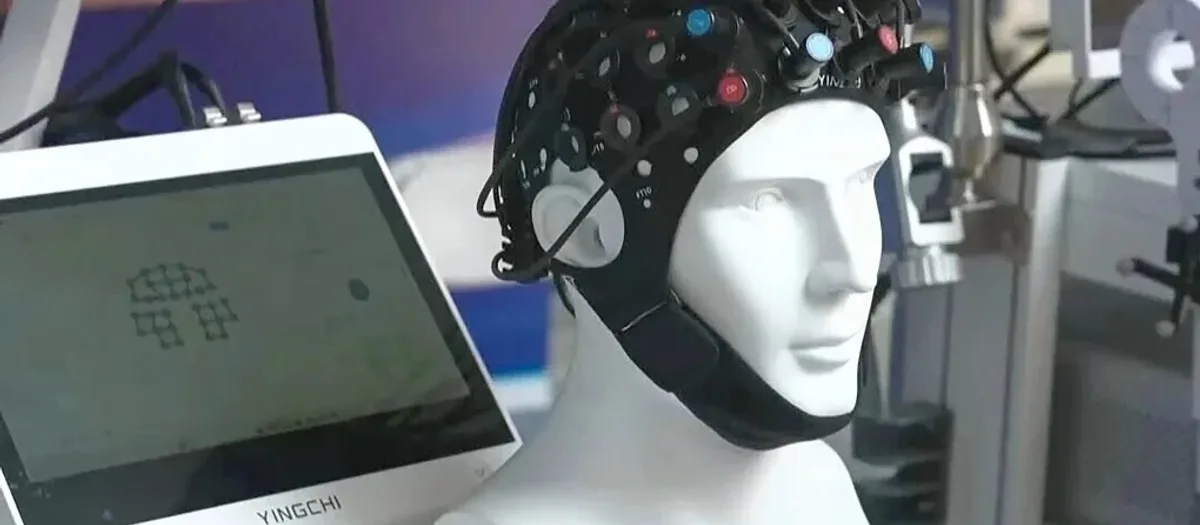
A patient in China has regained the ability to speak, eat, and walk with support after spending three months in a coma following a brain haemorrhage. The recovery occurred during an early clinical trial that used targeted sound waves to stimulate severely damaged parts of the brain, according to Chinese state media.
The technology was developed by a coalition including the Chinese Academy of Sciences’ Shenzhen Institutes of Advanced Technology. It uses focused ultrasound waves to stimulate regions deep within the brain, a method that is entirely non-invasive and avoids the need for surgery or implanted electrodes. The advance was presented at a brain-computer interface industry conference in Shenzhen earlier this month.
Summary written by Cup of News with AI from the sources below. Check the originals for the full story.
Read the sources
- China joins global race to reawaken brain-injury patients through ultrasound therapy
- Ultrasound Therapy Helps Immune System Target Deadly Brain Cancer: NIH-Funded Study
- Researchers test noninvasive ultrasound treatment for schizophrenia-related hallucinations
- Ultrasound might help treat symptoms of schizophrenia, trial hints
- Noninvasive focused ultrasound treatment can ease motor symptoms of Parkinson's disease
Ten stories, twice a day. Calm, no notifications.
Get the appMore stories in this edition
- Poland's president cuts short trip as judicial crisis deepens in Warsaw
- World Bank: 496 million in India escaped poverty since 2011
- Global survey: 465 major cities are sinking by inches each year
- OpenAI chief meets Samsung in South Korea over AI chip supply
- Johannesburg's illegal gold rush creates sinkholes and scapegoats
- Egyptian diplomat hospitalised after attack in Malawi
- Tennis: Leylah Fernandez continues Asian streak to reach Tokyo final
- France deploys 70,000 police as youth protests spread across Europe
- NASA again seeks private sector ideas to save Hubble